
Surgery vs. Minimally Invasive: Which Is Better?
Minimally invasive treatments are ideal for prevention, small corrections, and fast recovery, while surgery is recommended for deeper tissue descent, excess skin, and long-lasting structural results. The best aesthetic outcome comes from choosing the right method at the right time.

Surgery vs. Minimally Invasive: Which Is Better?
Today aesthetic medicine is divided into two main lines, minimally invasive procedures and surgical operations. Both can improve appearance, bring balance and refresh the face or body — but they are not the same. The optimum decision is dependent on the age, anatomy, skin quality, degree of ageing, and expectations of the patient.
What Are Minimally-Invasive Procedures?
Minimally invasive therapies usually do not require large incisions or long recovery times. These usually involve injections, small instruments, lasers, energy devices or threads.
For example, e.g.
Botox injection
Fillers Dermal
PRP
Skin boosters
Laser Treatments
Radio Frequency (RF)
Threads
Liposuction of Small Areas of the Body
These procedures are useful for early signs of ageing, fine wrinkles, mild volume loss, improvement of skin quality and for patients wanting speedy recovery.
Benefits of minimally invasive treatments
Minimally invasive therapies may include:
Faster recovery
Decreased bruising and swelling
Many cases no general anaesthesia
Less money up front
Wake up quick
Good for preventive and maintenance
But they do have limits. They can’t completely correct major skin sagging, deep tissue descent, severe neck sagging or major anatomic changes.
What is a surgical operation?
Surgical repair involves accurate cuts and anatomic repair of deeper structural disorders. When injections or devices cannot adequately treat ageing or deformity, surgery is usually recommended.
I'm going to take a look at this.
Deep Plane Rhytidectomy
Facelifts Neck lifts
Blepharoplasty.
Brow lift, endoscopic
Endoscopic Facelift Mid-Face
Mammary Gland Surgery
Reshaping your nose
Liposuction is a surgical procedure that removes excess fat from the body in areas such as the abdomen, hips, thighs, buttocks, arms or neck. Liposuction can be done under general anaesthesia or local anaesthesia with sedation. During the procedure, the surgeon makes small cuts in the skin and inserts a thin tube (cannula) into the area to be treated. The cannula is moved back and forth to break up the fat cells and suck them out. The incisions are then closed with stitches or surgical glue. The patient can usually go home the same day. Recovery time will vary depending on the extent of the procedure and the overall health of the patient, but most individuals are able to resume their normal activities within a few weeks. It is important to understand that liposuction is not a weight-loss solution and should be performed only by a qualified and experienced surgeon. Some potential risks and complications of liposuction include infection, bleeding, scarring, and damage to surrounding tissues. Before the procedure patients should discuss their expectations and worries with their surgeon.
Tummy tuck surgery (Abdominoplasty)
Surgery can lift and tighten tissues, remove extra skin and reshape the anatomy for longer lasting results.
Surgical Benefits
Surgical procedures can provide:
Correction that is more powerful and more conspicuous
Long-lasting results
Condition of Sagging Tissue Improvement
Reinforcement of structures
If you do it right, you get better results
Less relying on repeated temporary treatments
The negative is that the process will usually have a longer recovery period, more expense, anaesthesia and meticulous post-operative care.
Which is better
There is no one “better” choice for all. Minimally invasive techniques are better for preventive, minor repairs, skin quality and not ready patients for surgery.
If there is a lot of sag, loose skin, deep tissue sagging or if the patient wants a more stable and long lasting solution, surgery is the best option.
The best results are often achieved by putting both together in the contemporary aesthetic practice. Surgery can correct the anatomy, and minimally invasive therapies can maintain the quality of the skin and improve the ultimate appearance.
Conclusion.
“Minimally invasive techniques and surgery are not in competition, they are different tools. It depends on the anatomy and goals of the patient. The right treatment at the right time will yield a natural result.
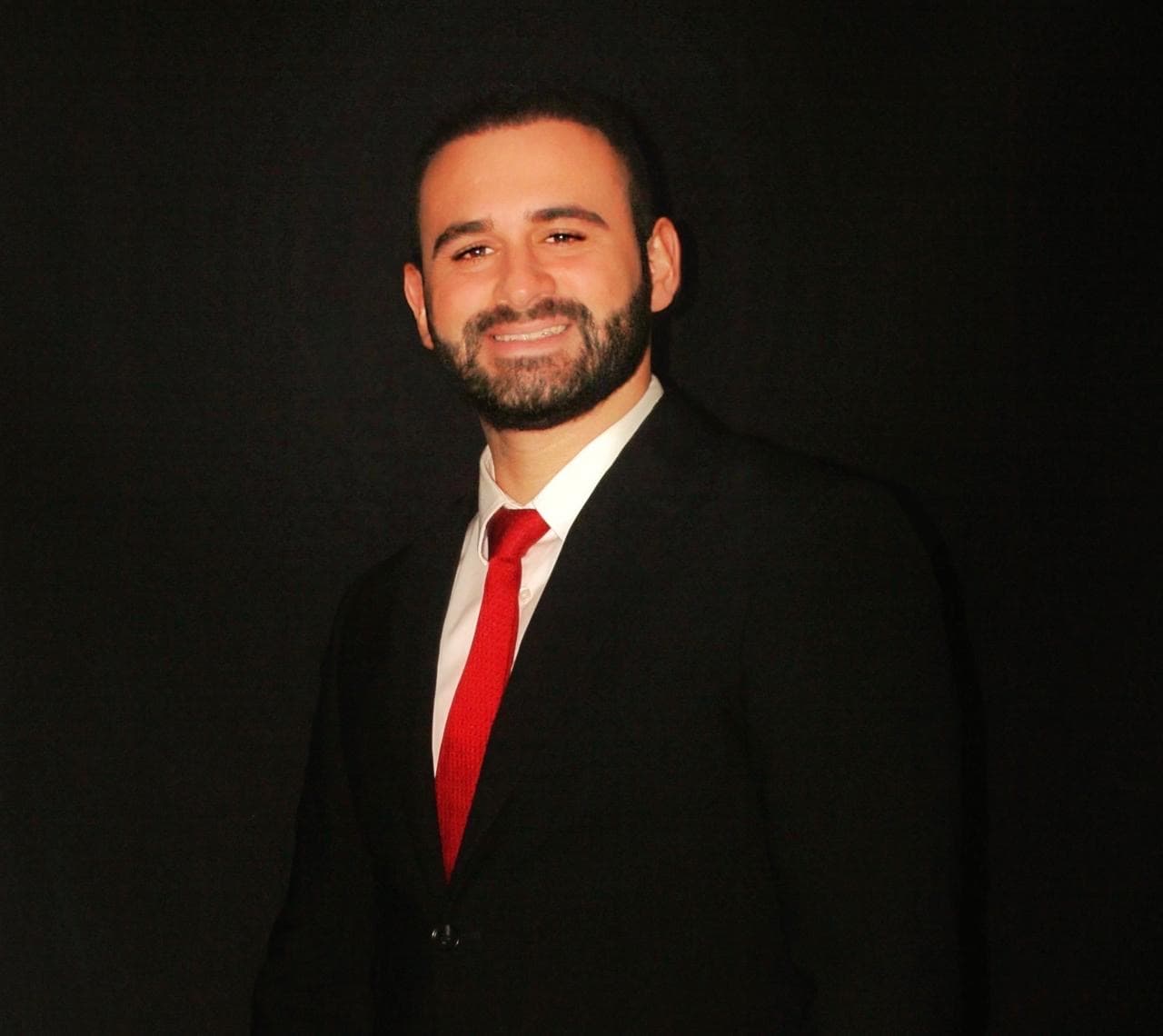
Want a tailored opinion? Schedule a discreet consultation with Dr. Mubariz Mammadli.
Related reading
Aesthetic medicine blog

Education
How to Select a Good Plastic Surgeon
Choosing a good plastic surgeon means choosing safety, experience, trust, and natural results. A qualified surgeon explains realistic expectations, risks, recovery, and creates a personalized plan based on the patient’s anatomy, not trends or exaggerated beauty standards.

Education
"I Don't Want to Look Operated": The New Face of Beauty
“I don’t want to look operated” has become the new standard in modern aesthetic surgery. Today’s patients seek natural beauty, refined facial harmony, and elegant rejuvenation. The best result preserves identity and creates a fresher, younger, more rested appearance.
Education
What is a plastic surgeon? What do they do?
A plastic surgeon is a medical doctor specialized in restoring, reconstructing, and improving the form and function of the body. Plastic surgery includes both aesthetic and reconstructive procedures, helping patients achieve natural beauty, better proportions, and improved quality of life.