
Anaesthesia in Facelift Surgery Types and Safety
Anaesthesia in facelift surgery types, safety and preparation. Complete guide on general anaesthesia, sedation and what to expect before surgery.

Anaesthesia in Facelift Surgery Types and Safety
Anaesthesia is an essential part of any surgical procedure. Before a facelift, many patients have questions and concerns about anaesthesia. What types are available? Which is safer? What to expect? This guide answers all these questions.
Why Is Anaesthesia Important in Facelift Surgery?
A facelift is a complex procedure. It takes 3–8 hours depending on the technique and combined procedures. Anaesthesia ensures:
Complete patient comfort throughout the procedure
Absence of pain and discomfort
Optimal conditions for the surgeon
Patient safety and stability
Easier postoperative recovery
The choice of anaesthesia depends on the complexity of the procedure, the patient's health and the preferences of the surgeon and anaesthetist.
Types of Anaesthesia Used in Facelift Surgery
General Anaesthesia
General anaesthesia is the most commonly used in complex facelifts. The patient is completely unconscious throughout the procedure.
Advantages:
Maximum patient comfort
Optimal conditions for the surgeon
Suitable for long and complex procedures
No anxiety or stress during surgery
Disadvantages:
Slightly longer immediate recovery
Possible postoperative nausea
Requires careful monitoring
General anaesthesia is recommended for:
Deep Plane Facelift
Complete facial rejuvenation packages
Multiple combined procedures
Procedures lasting over 4 hours
Intravenous Sedation MAC Anaesthesia
Intravenous sedation Monitored Anesthesia Care is moderate depth anaesthesia. The patient is relaxed and drowsy but can respond to stimuli.
Combined with local anaesthesia in the operated area.
Advantages:
Faster recovery
Reduced postoperative nausea
Less stress on the body
Suitable for shorter procedures
Disadvantages:
Does not provide the complete comfort of general anaesthesia
Suitable only for more limited procedures
Local Anaesthesia With Light Sedation
Local anaesthesia blocks sensation in the operated area. Light sedation relaxes the patient.
Used for:
Smaller and limited procedures
Blepharoplasty
Minor lifts
Patients who cannot tolerate general anaesthesia
How Is the Type of Anaesthesia Chosen?
Choosing the type of anaesthesia is a medical decision. It is based on:
Complexity and duration of the procedure
Patient's general health
Medical and anaesthetic history
Surgeon and anaesthetist preferences
Possible allergies or previous reactions to anaesthesia
A pre-anaesthetic consultation is mandatory. The anaesthetist fully evaluates the patient before recommending the appropriate type.
Pre-Anaesthetic Consultation What Does It Include?
Before any facelift, the pre-anaesthetic consultation includes:
Assessment of general health
Complete medical history review
Review of current medications
Blood tests and cardiac investigations
Pulmonary function assessment
Discussion of risks and benefits
Specific preoperative instructions
Preparing for Anaesthesia What to Do
Correct preparation reduces risks and ensures easier recovery:
2–4 weeks before:
Stop smoking smoking negatively affects anaesthesia and recovery
Avoid anticoagulants aspirin, ibuprofen and others
Inform the anaesthetist about all supplements and medications
24–48 hours before:
Avoid alcohol
Follow specific instructions from the medical team
On the day of surgery:
Do not eat or drink anything for at least 6–8 hours complete fast
Take only medications approved by the anaesthetist
Come accompanied you cannot drive after anaesthesia
Safety of Anaesthesia in Facelift Surgery
Modern anaesthesia is extremely safe. Technological advances and rigorous protocols have significantly reduced risks.
Factors ensuring safety:
Specialist anaesthetist with experience
Continuous monitoring throughout blood pressure, oxygen, heart rate
Modern monitoring equipment
Strict safety protocols
Accredited clinic with European medical standards
Risks and Side Effects of Anaesthesia
Modern anaesthesia is safe but not completely without risks. Common side effects include:
Postoperative nausea and vomiting common, temporary
Sore throat from the intubation tube
Temporary confusion or drowsiness
Chills
Mild headaches
Rare risks include:
Allergic reactions
Respiratory problems
Cardiovascular complications
Risks are minimised through careful pre-anaesthetic assessment and continuous monitoring.
Recovery After Anaesthesia
Recovery after anaesthesia varies depending on the type used:
After general anaesthesia:
Waking up in the recovery room
Medical supervision for 1–2 hours
Possible nausea in the first hours
Usually one night hospitalisation
Do not drive on the day of surgery
After intravenous sedation:
Faster recovery
Possible discharge after a few hours
Home supervision needed on the first day
Do not drive on the day of surgery
Common Questions About Anaesthesia
Will I feel pain during surgery? No. Anaesthesia completely eliminates the sensation of pain throughout the procedure.
Will I wake up during surgery? Extremely rare with modern anaesthesia. Continuous monitoring prevents this.
Will I be sick after anaesthesia? Nausea is possible but modern antiemetic medications reduce it significantly.
Is anaesthesia dangerous? Modern anaesthesia is very safe. Risks are minimal for healthy patients.
Conclusion
Anaesthesia in facelift surgery is safe and well-tolerated. Choosing the right type depends on procedure complexity and patient health. An experienced anaesthetist and accredited clinic are essential for a safe and comfortable experience.
FAQ - Anaesthesia in Facelift Surgery
What type of anaesthesia is used in facelift surgery? It depends on procedure complexity. General anaesthesia for complex and long facelifts. Intravenous sedation for shorter procedures. Local anaesthesia for minor interventions.
Is general anaesthesia safe for facelift surgery? Yes. Modern anaesthesia is extremely safe. A specialist anaesthetist continuously monitors the patient throughout the entire procedure.
Will I feel pain during surgery? No. Anaesthesia completely eliminates the sensation of pain. Complete patient comfort is ensured throughout the entire procedure.
What is the difference between general anaesthesia and intravenous sedation? General anaesthesia brings the patient to complete unconsciousness. Intravenous sedation deeply relaxes but the patient can respond to stimuli. Both are combined with local anaesthesia.
What does the pre-anaesthetic consultation include? Health assessment, complete medical history, blood tests, cardiac investigations and risk discussion. It is mandatory before any facelift surgery.
How do I prepare for anaesthesia? Stop smoking 2–4 weeks before. Avoid anticoagulants and alcohol. Do not eat or drink anything for 6–8 hours before surgery. Come accompanied you cannot drive after anaesthesia.
Will I be sick after anaesthesia? Nausea is possible but modern antiemetic medications reduce it significantly. It is temporary and resolves within a few hours.
How long is recovery after anaesthesia? After general anaesthesia supervision for 1–2 hours and one night hospitalisation. After intravenous sedation faster recovery and possible discharge after a few hours.
Does smoking affect anaesthesia? Yes. Smoking negatively affects pulmonary function and recovery. Stopping smoking 2–4 weeks before significantly reduces risks.
Who administers anaesthesia in facelift surgery? A specialist anaesthetist with experience in aesthetic surgery. They continuously monitor blood pressure, oxygen and heart rate throughout the entire procedure.
Want a tailored opinion? Schedule a discreet consultation with Dr. Mubariz Mammadli.
Related reading
Aesthetic medicine blog

Education
Questions to Ask Before a Facelift Complete Guide
Essential questions to ask before a facelift. Complete consultation guide — surgeon, procedure, risks, recovery and realistic results explained.
Education
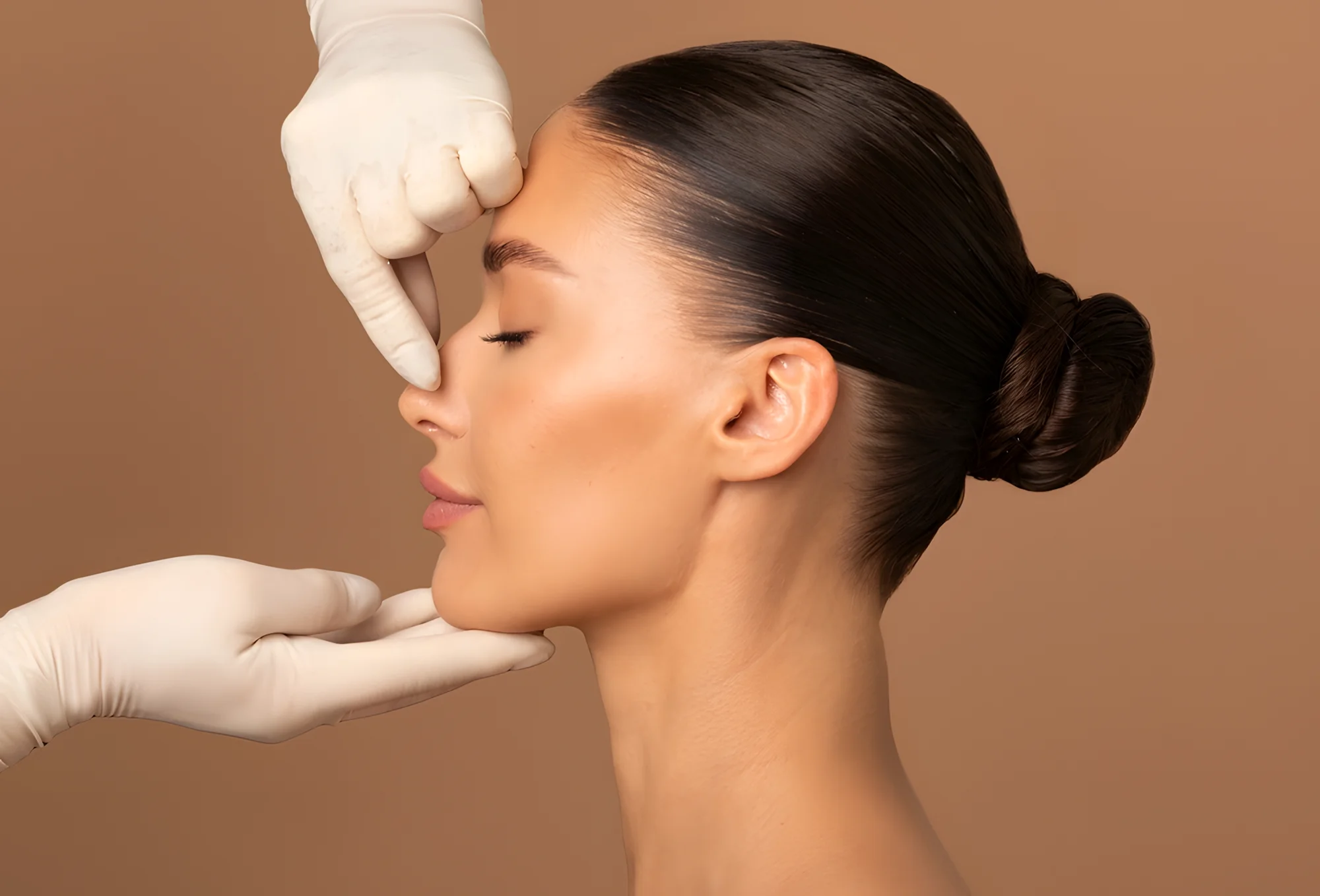
Rhinoplasty Nose Surgery for Facial Harmony
Rhinoplasty nose surgery for natural facial harmony. Aesthetic and functional correction, natural results and balanced proportions with the rest of the face.
Education
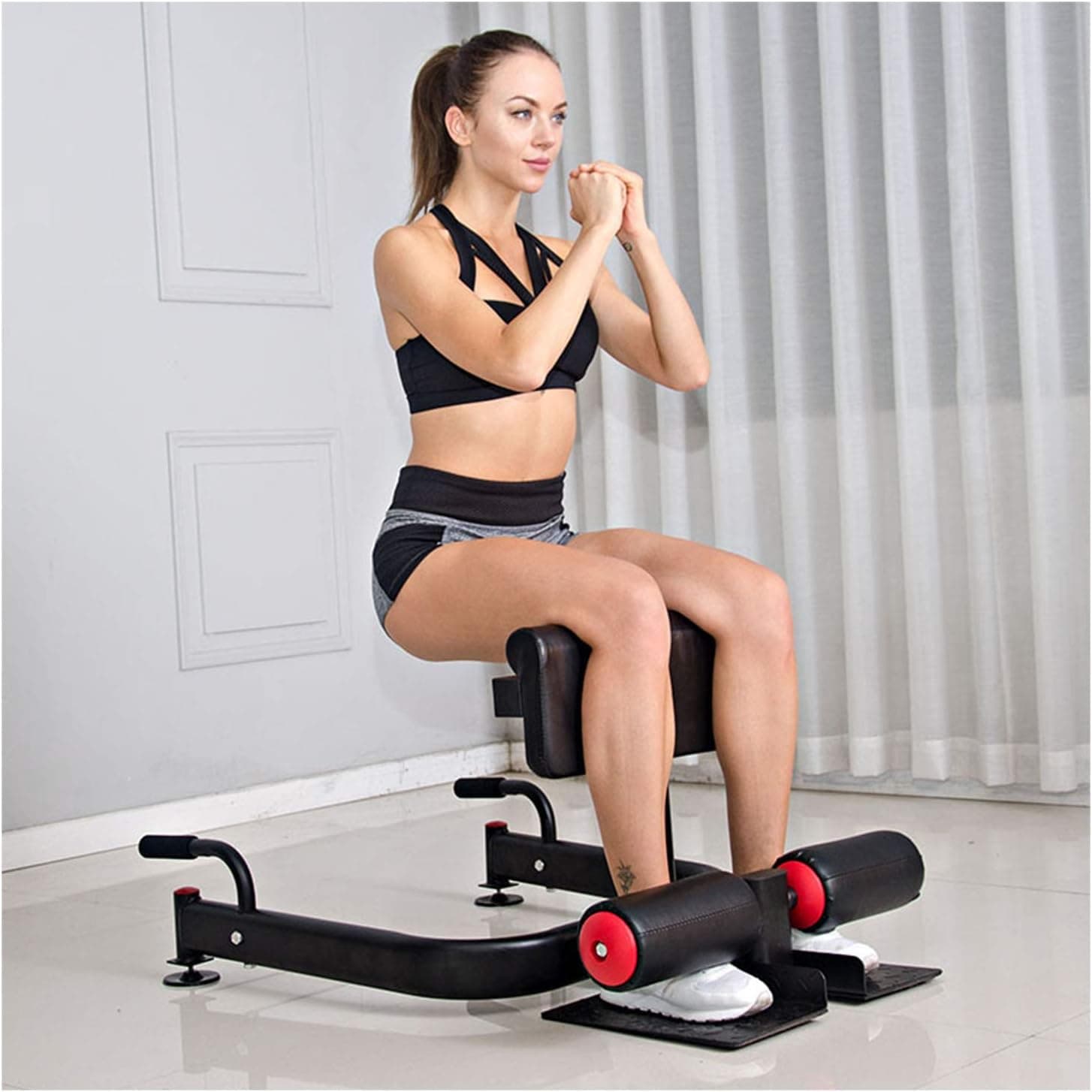
When Can You Return to Exercise After a Facelift?
When can you return to exercise after a facelift? Complete recovery guide with stages, permitted activities and tips for optimal and lasting results.