
Facelift After Weight Loss Complete Guide 2026
Facelift after weight loss restores facial contour, volume and youthfulness. Complete guide on procedures, recovery and natural results after weight loss.
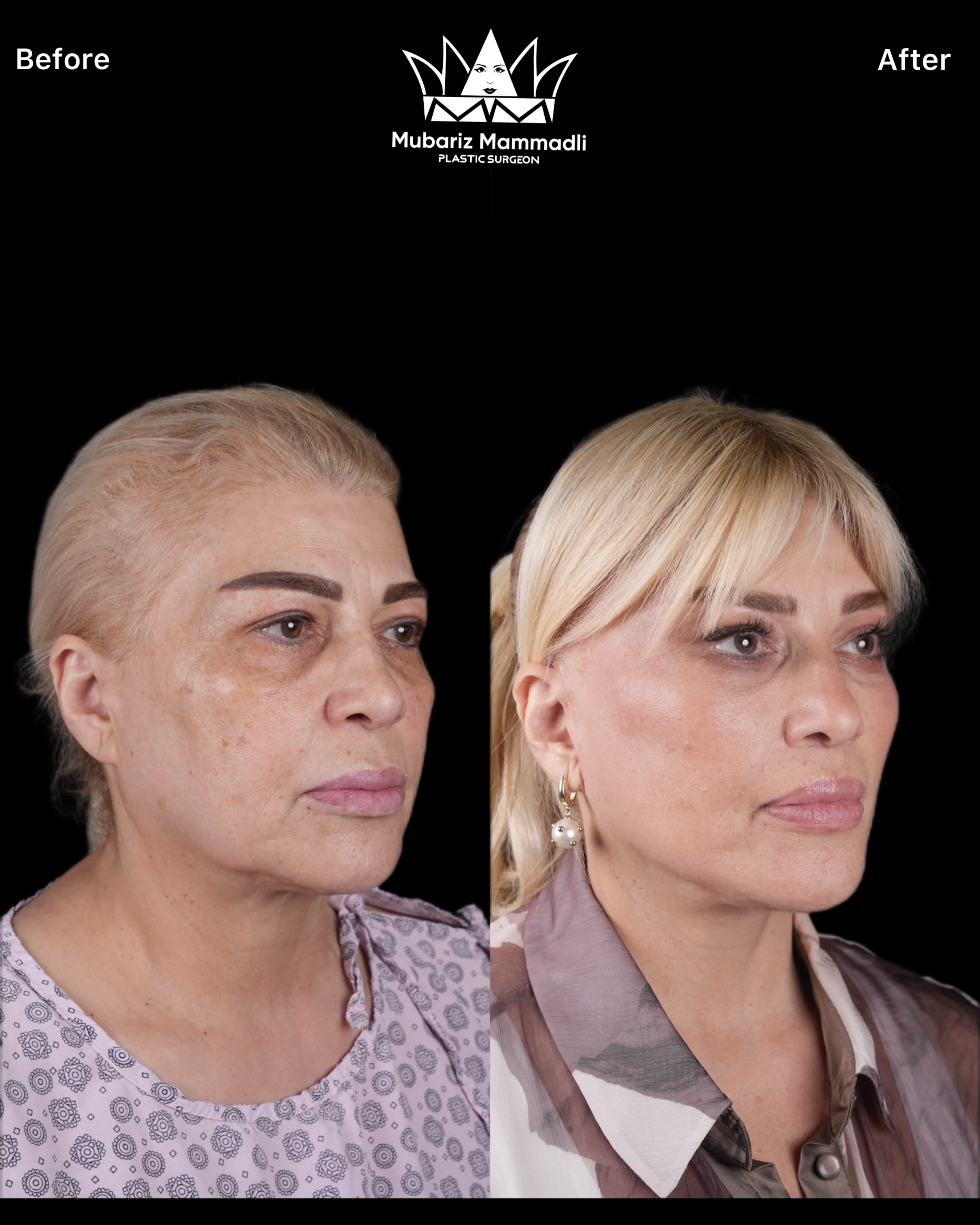
Facelift After Weight Loss
Significant weight loss is a remarkable achievement. It improves health, energy and quality of life. But sometimes the face does not reflect this inner transformation. Loose skin, fallen cheeks and lost facial contour can create a tired appearance — even after a major positive change.
A facelift after weight loss addresses exactly these concerns. It restores contour, firmness and youthfulness — completing the physical transformation with a harmonious exterior appearance.
Why Does Weight Loss Affect the Face?
The face is one of the first areas where weight loss becomes visible. Facial fat plays an essential role in maintaining youthful volume and contour. When it disappears rapidly, significant changes occur:
Loose skin with poor elasticity
Flattened or fallen cheeks
Deepened nasolabial folds
Lost jawline definition
Generally tired and aged appearance
Volume loss in temples and under-eye area
Loose neck with visible platysmal bands
The greater and faster the weight loss, the more pronounced the facial changes.
What Is Different About a Facelift After Weight Loss?
A facelift after weight loss differs from a standard facelift. It requires more careful planning and a more complex approach.
Key differences include:
Greater skin excess. The skin has lost elasticity. The amount of excess skin is more significant.
Volume loss combined with laxity. It is not just about loose skin. Facial volume has also been lost. Both aspects must be addressed simultaneously.
Affected deep structures. The deep facial tissues have undergone significant changes. Superficial techniques are not sufficient.
Need for fat grafting. Restoring lost volume is essential. Facial fat grafting completes the facelift for a harmonious result.
What Procedures Are Recommended?
A complete surgical plan after weight loss typically includes:
Deep Plane Facelift. Addresses the deep facial structures. Repositions fallen tissues. Delivers natural and lasting results — superior to superficial techniques.
Neck lift. Eliminates excess neck skin. Corrects platysmal bands. Defines the jawline and cervical angle.
Facial fat grafting. Restores lost volume in cheeks, temples and under-eye area. Uses the patient's own fat. Also improves skin quality.
Blepharoplasty. Rejuvenates the eye area. Removes excess eyelid skin and under-eye bags.
Endoscopic brow lift. Repositions descended brows. Opens the eyes. Rejuvenates the upper face.
Platysmaplasty. Corrects the lax platysma muscle. Defines the neck contour and lower face.
When Is the Right Time for a Facelift After Weight Loss?
Timing is essential. Surgery should not be performed prematurely.
Important conditions before a facelift:
Weight must be stable for at least 6–12 months
No further weight loss is planned
General health is good
Nutrition and hydration are optimal
Smoking has been stopped
Unstable weight can significantly affect results. Subsequent weight changes can compromise the effects of the facelift.
Facelift After Bariatric Surgery
Patients who have undergone bariatric surgery — gastric bypass, sleeve gastrectomy or other procedures — present specific challenges:
Massive weight loss in a short time
Possible nutritional deficiencies
Skin with very reduced elasticity
Significant amount of excess skin
For these patients, planning is even more important. Preoperative assessment must include evaluation of nutritional status. Vitamin and mineral deficiencies must be corrected before surgery.
Results — What to Expect
A well-planned facelift after weight loss can deliver:
Restored and defined facial contour
Lifted cheeks and restored volume
Well-defined jawline
Younger and more elegant neck
Brighter and more rested appearance
Generally younger and more harmonious look
Concordance between inner transformation and outer appearance
The final goal is simple: a face that truly reflects the transformation you have achieved.
Recovery
Recovery after a post-weight-loss facelift is similar to standard recovery:
Swelling and bruising for the first 1–2 weeks
Return to social activities after 2–3 weeks
Avoid strenuous physical activity for 4–6 weeks
Final results visible after 3–6 months
Patients with nutritional deficiencies may have a slightly longer recovery. Adequate preoperative care minimises this risk.
Who Is the Ideal Candidate?
A facelift after weight loss suits:
People with significant weight loss — over 20–30 kg
Patients after bariatric surgery
Those with stable weight for at least 6–12 months
People with significant loose skin on the face and neck
Those who want to complete their physical transformation with a harmonious appearance
Conclusion
Weight loss is an extraordinary achievement. It deserves to be completed with a facial appearance that reflects this transformation. A facelift after weight loss restores contour, volume and youthfulness — creating concordance between how you feel and how you look.
FAQ — Facelift After Weight Loss
Why does weight loss affect the face? Facial fat maintains youthful volume and contour. When it disappears rapidly, loose skin, fallen cheeks, deepened folds and lost jawline definition appear.
When is the right time for a facelift after weight loss? Weight must be stable for at least 6–12 months. No further weight loss should be planned. Health and nutrition must be optimal.
What procedures are recommended after weight loss? Deep Plane Facelift, neck lift, facial fat grafting, blepharoplasty, endoscopic brow lift and platysmaplasty — depending on individual needs.
Why is fat grafting important after weight loss? Weight loss eliminates facial volume. Fat grafting restores lost volume in cheeks, temples and under-eye area — completing the facelift result harmoniously.
Is a facelift after weight loss different from a standard facelift? Yes. It requires more skin removal, simultaneous volume restoration and more complex techniques. Surgical planning is more detailed.
What specific challenges do bariatric surgery patients face? Rapid massive weight loss, possible nutritional deficiencies and skin with very reduced elasticity. Preoperative nutritional assessment is essential.
How long is recovery? Swelling resolves within 1–2 weeks. Social activities resume after 2–3 weeks. Final results are visible after 3–6 months.
Are results natural-looking? Yes. Modern Deep Plane techniques and fat grafting deliver natural and harmonious results — concordant with the physical transformation achieved.
Is it safe to have a facelift after bariatric surgery? Yes, if weight is stable and nutritional deficiencies have been corrected. A complete medical evaluation is mandatory before surgery.
Who is the ideal candidate? People with significant weight loss, stable weight for at least 6–12 months and loose skin on the face and neck who want to complete their transformation with a harmonious appearance.
Want a tailored opinion? Schedule a discreet consultation with Dr. Mubariz Mammadli.
Related reading
Aesthetic medicine blog

Education
Anaesthesia in Facelift Surgery Types and Safety
Anaesthesia in facelift surgery types, safety and preparation. Complete guide on general anaesthesia, sedation and what to expect before surgery.
Education
Questions to Ask Before a Facelift Complete Guide
Essential questions to ask before a facelift. Complete consultation guide — surgeon, procedure, risks, recovery and realistic results explained.
Education
Rhinoplasty Nose Surgery for Facial Harmony
Rhinoplasty nose surgery for natural facial harmony. Aesthetic and functional correction, natural results and balanced proportions with the rest of the face.